

We believe children learn through play.
When given opportunities to engage in free and unstructured play, children’s minds, bodies and spirits thrive. The learning they experience, the social skills they gain and the expansiveness they go through is so important to encourage and support in these modern times.
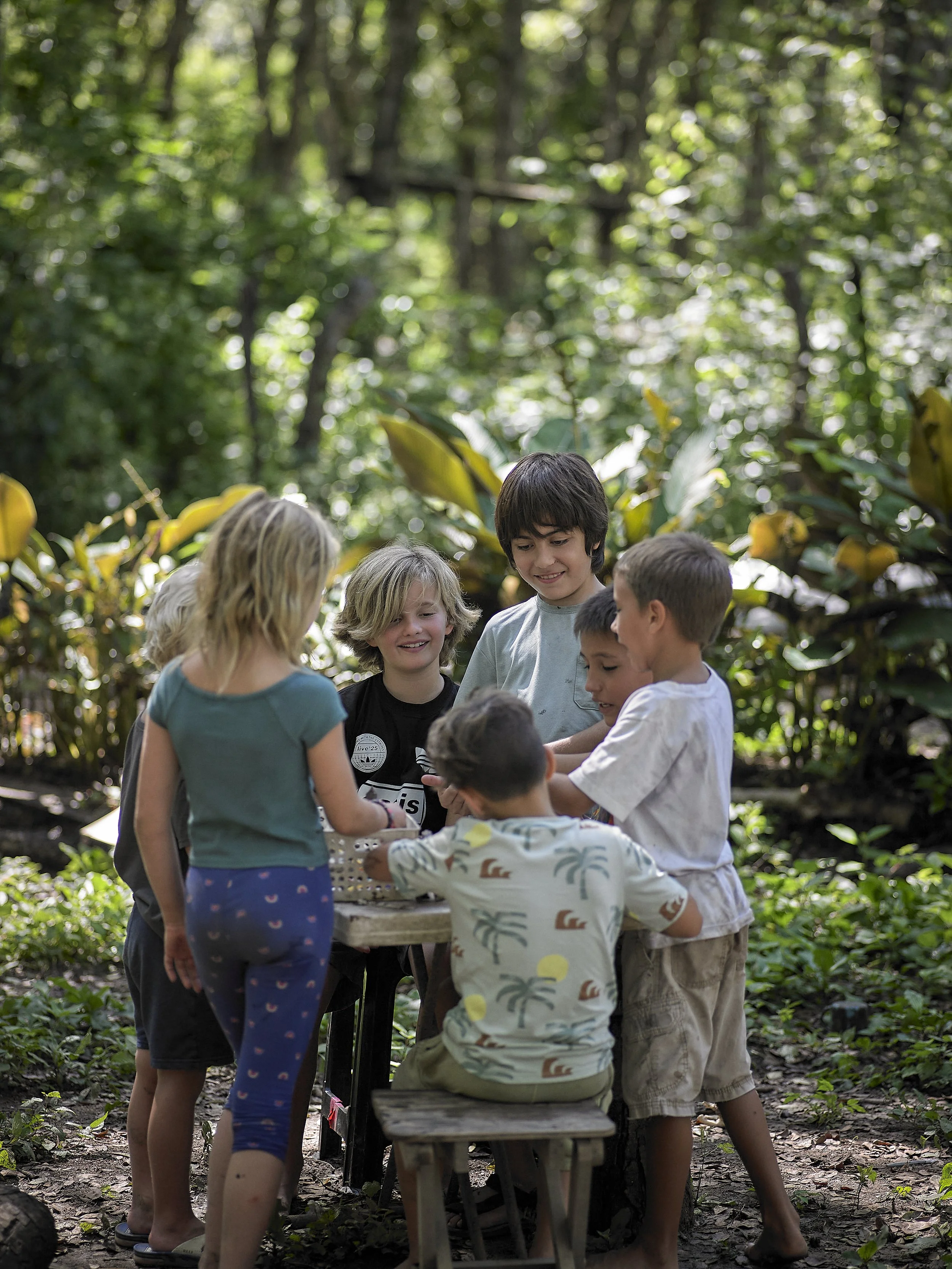
The same happens when they are in nature.
For that, we have placed a focus on getting children outdoors, engaging in exploratory and creative play, spending time in nature.
Getting children off screens, outdoors and engaged.
Our core values
Unstructured Free Play
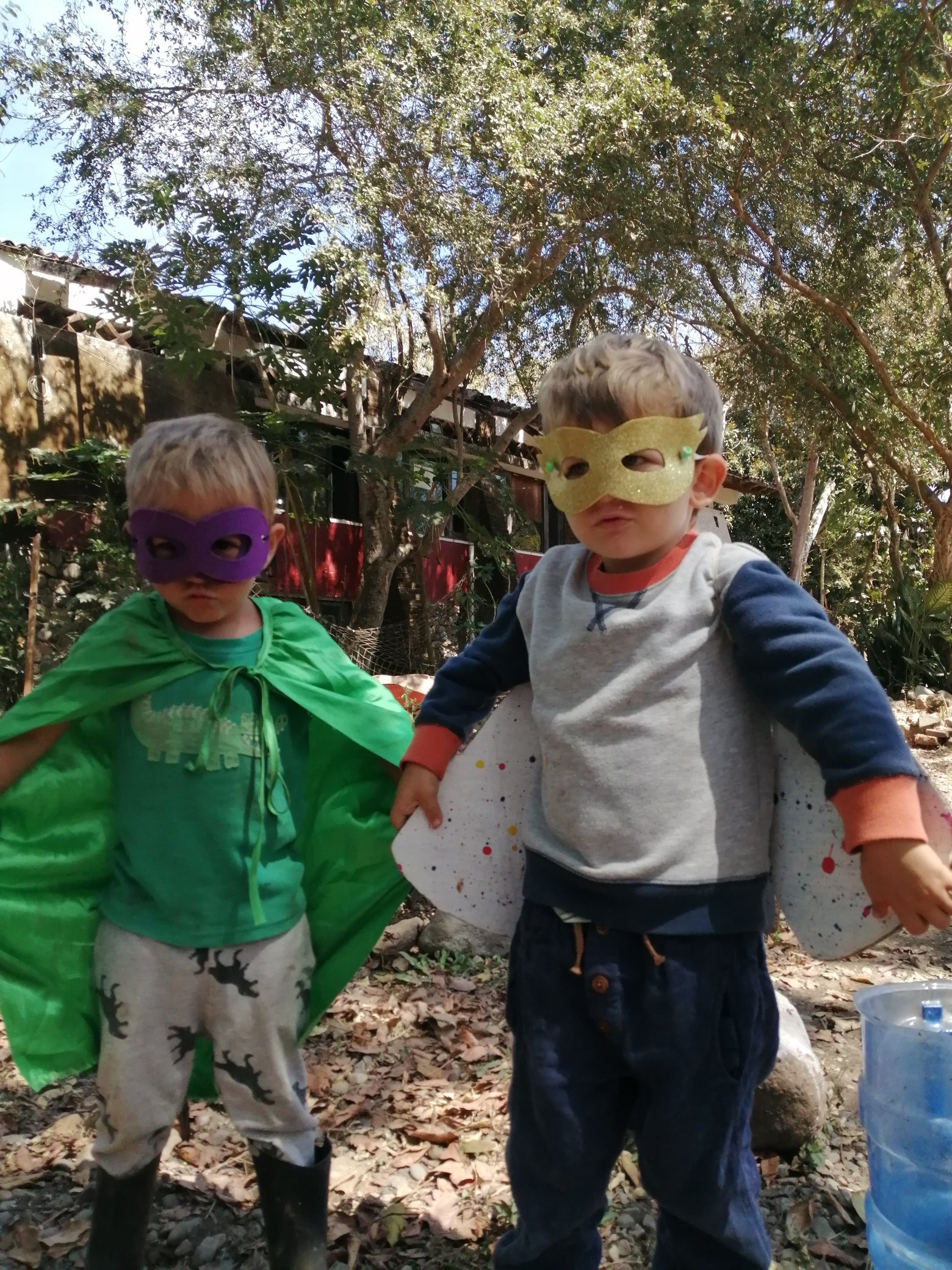
Unstructured free time for children involves child-led play without set rules or adult direction, fostering creativity, problem-solving, and emotional resilience. Examples include building with blocks, playing dress-up, exploring the outdoors, making up games, or drawing and painting. Encouraging this type of play can be done by stepping back, limiting structured activities, providing open-ended materials, and allowing children to lead their own adventures
Loose Parts Play
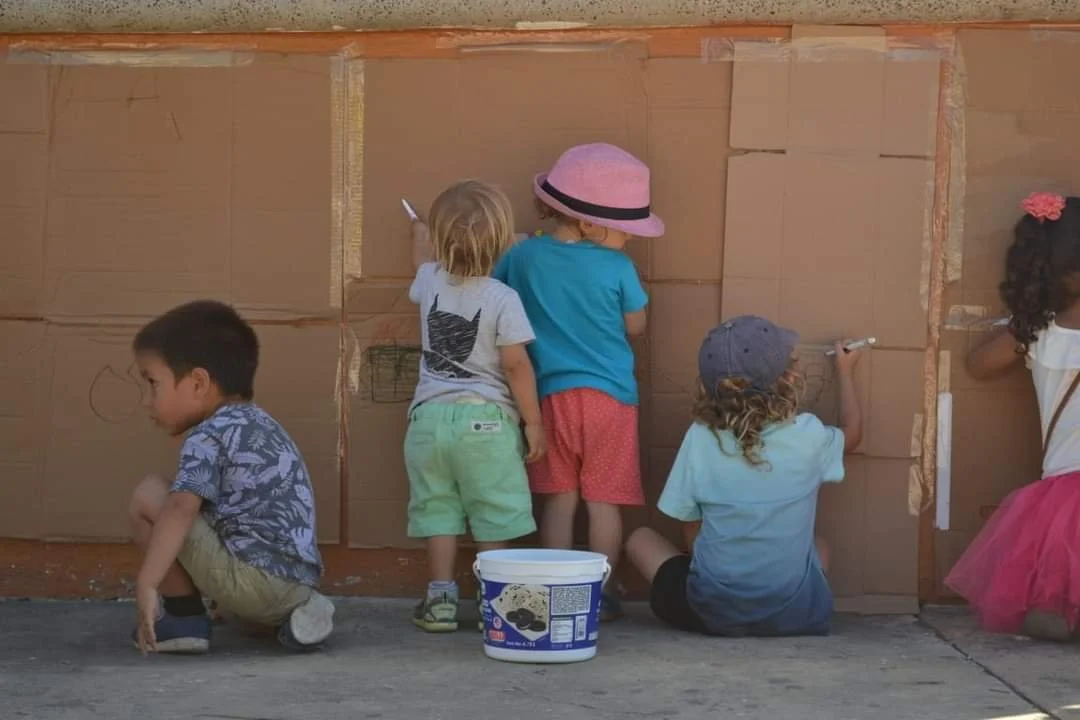
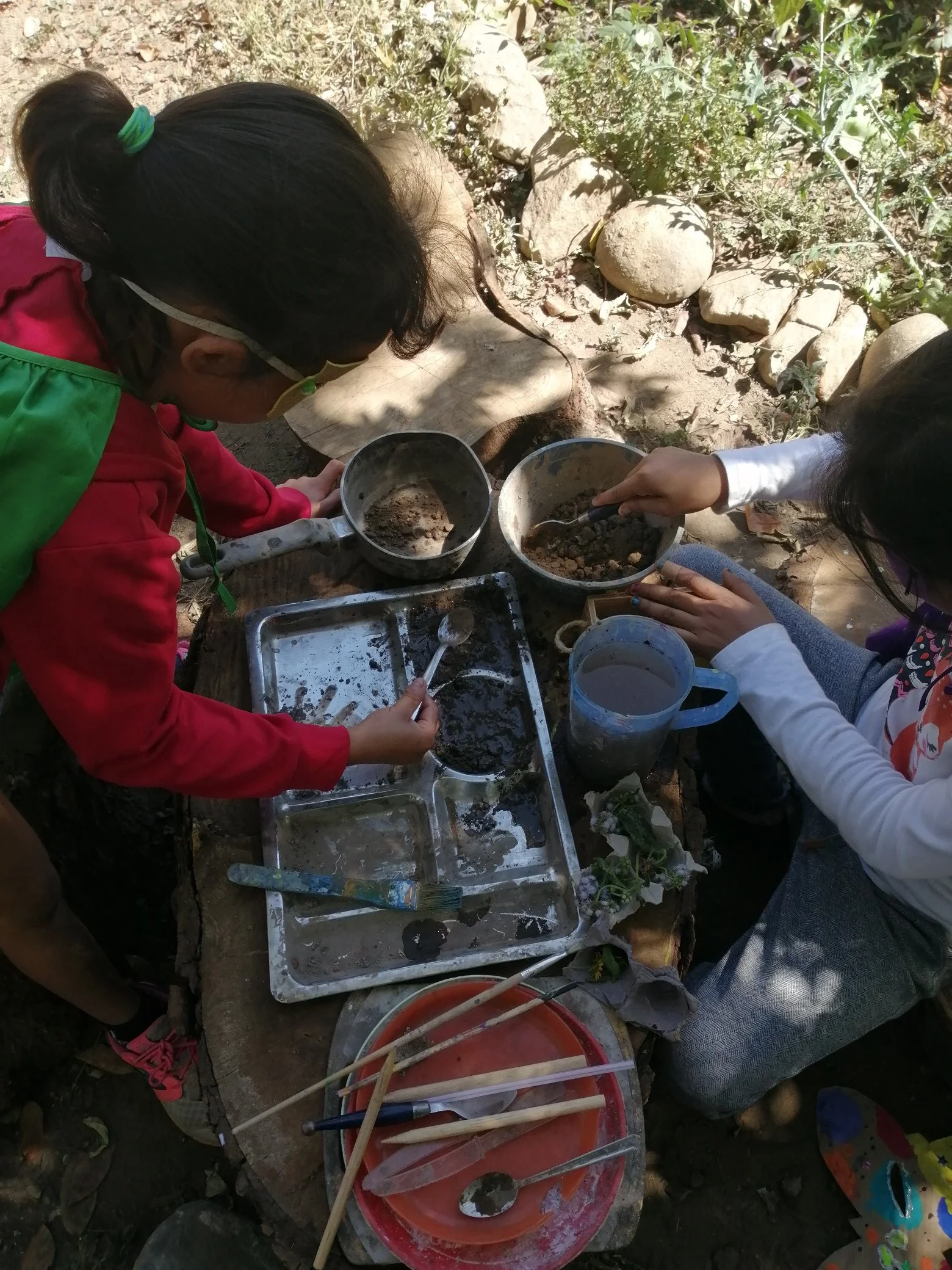
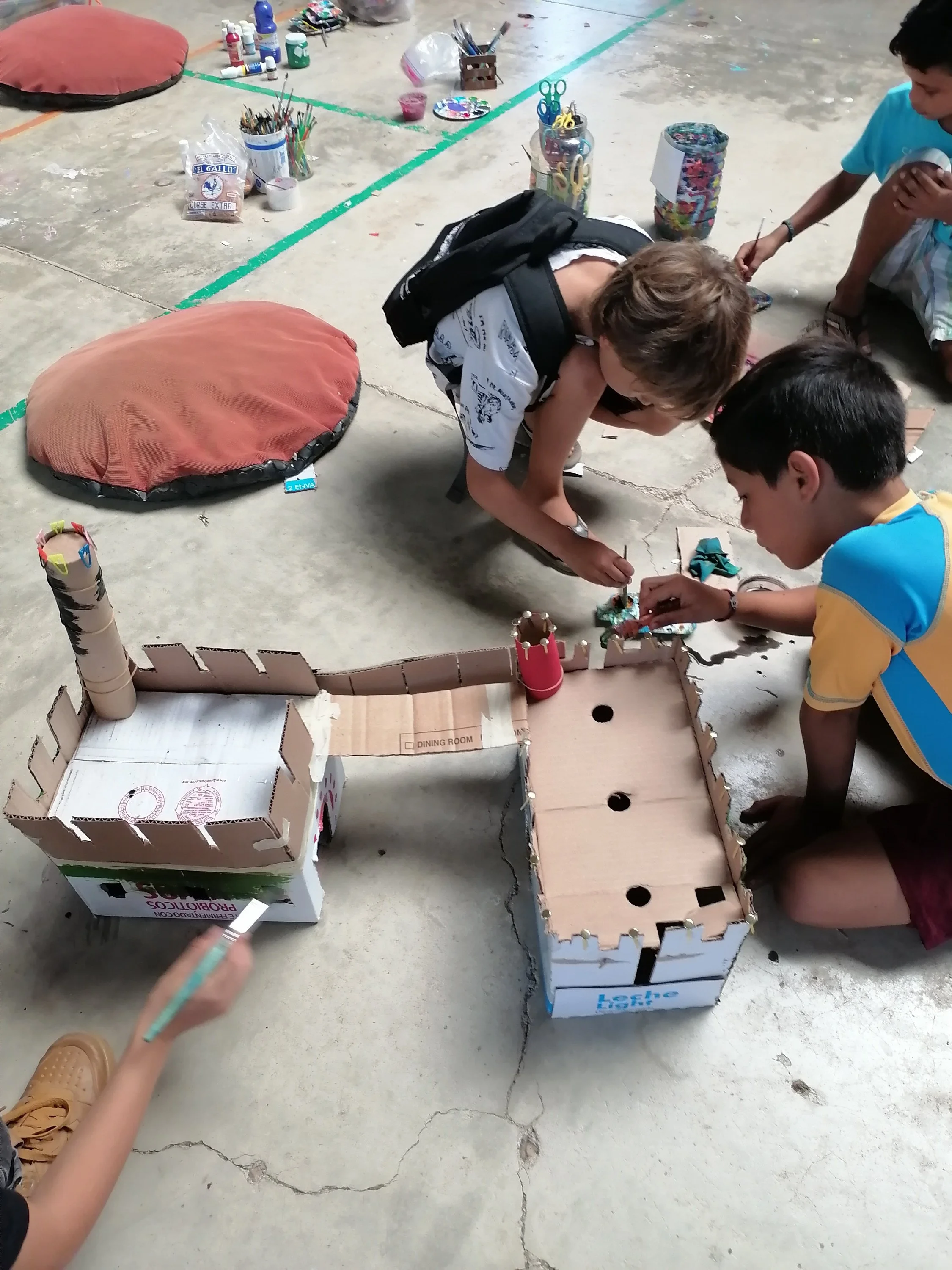
Loose parts play involves children using open-ended materials that they can move, combine, and transform to build, create, and imagine. The concept was introduced by architect Simon Nicholson, who believed it fosters creativity, problem-solving, and critical thinking skills. Examples of loose parts include natural items like stones and sticks, recycled materials like cardboard boxes and bottle caps, and everyday household items like scarves and pots and pan
IInterest-led learning
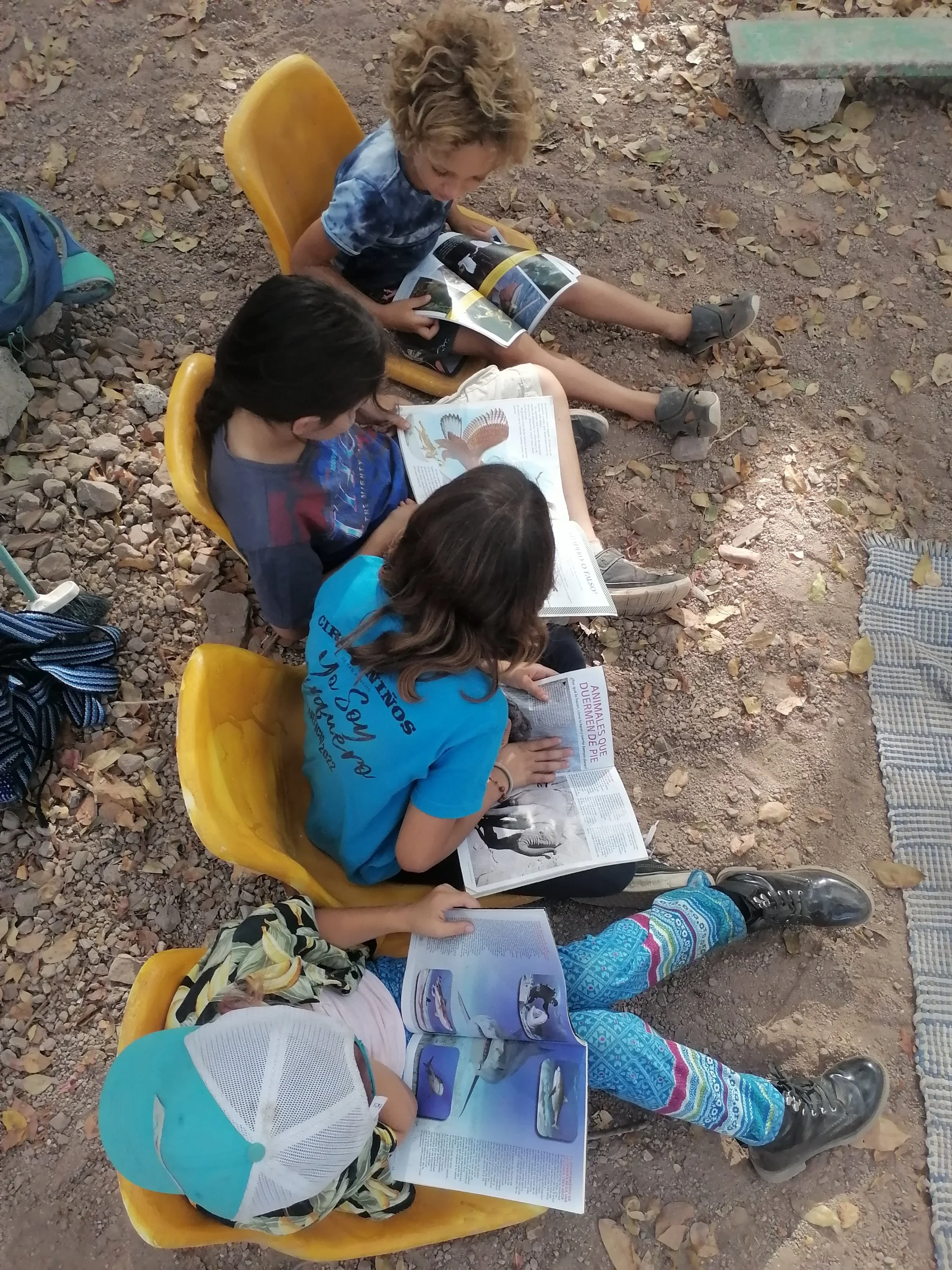
Interest-led learning is an educational approach that centers on a child's natural curiosity, where lessons and activities are built around their personal interests and passions. By following their interests, children can become more motivated, engaged, and invested in their education, leading to a deeper understanding and a more positive attitude toward learning.
Risky Play
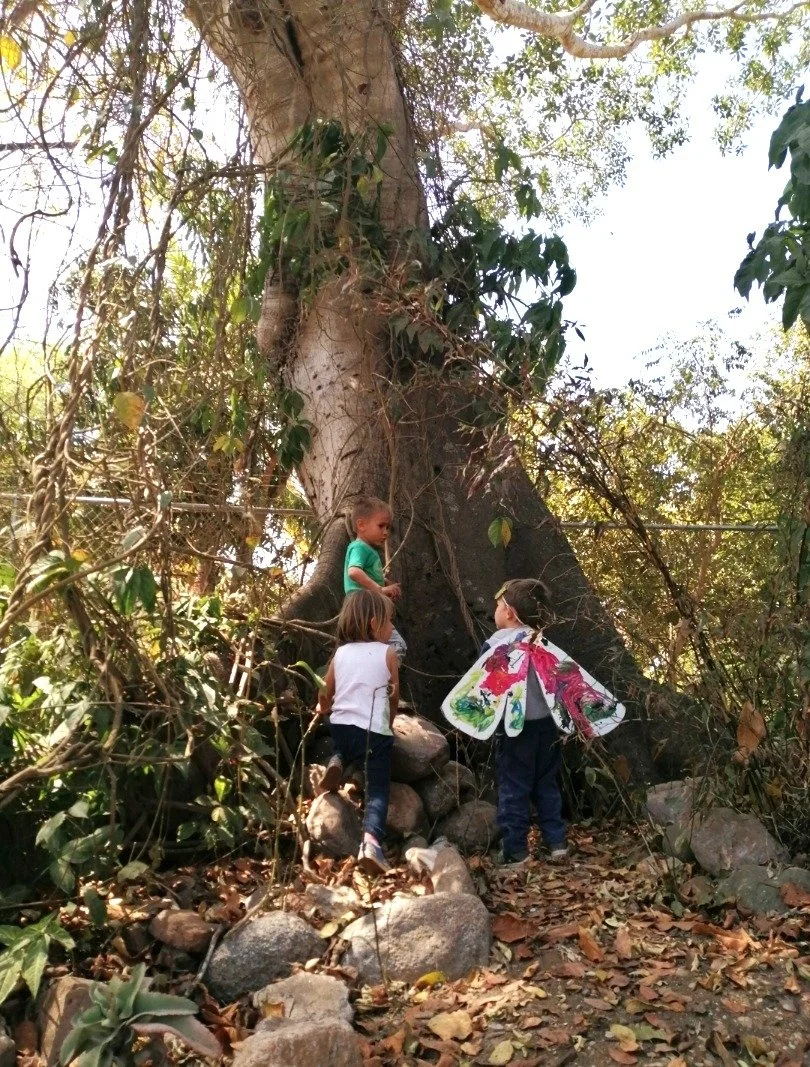
Risky play refers to thrilling and exciting physical activities that involve a degree of challenge and the potential for minor injury, such as climbing, jumping, and balancing. It is a crucial part of childhood development, helping children build physical and emotional resilience, learn to assess risks, and develop confidence and problem-solving skills. Examples include playing at great heights, high speeds, with dangerous tools, with natural elements like fire or water, rough and tumble play, and getting temporarily lost. You can find more about that here.
Nature Immersion
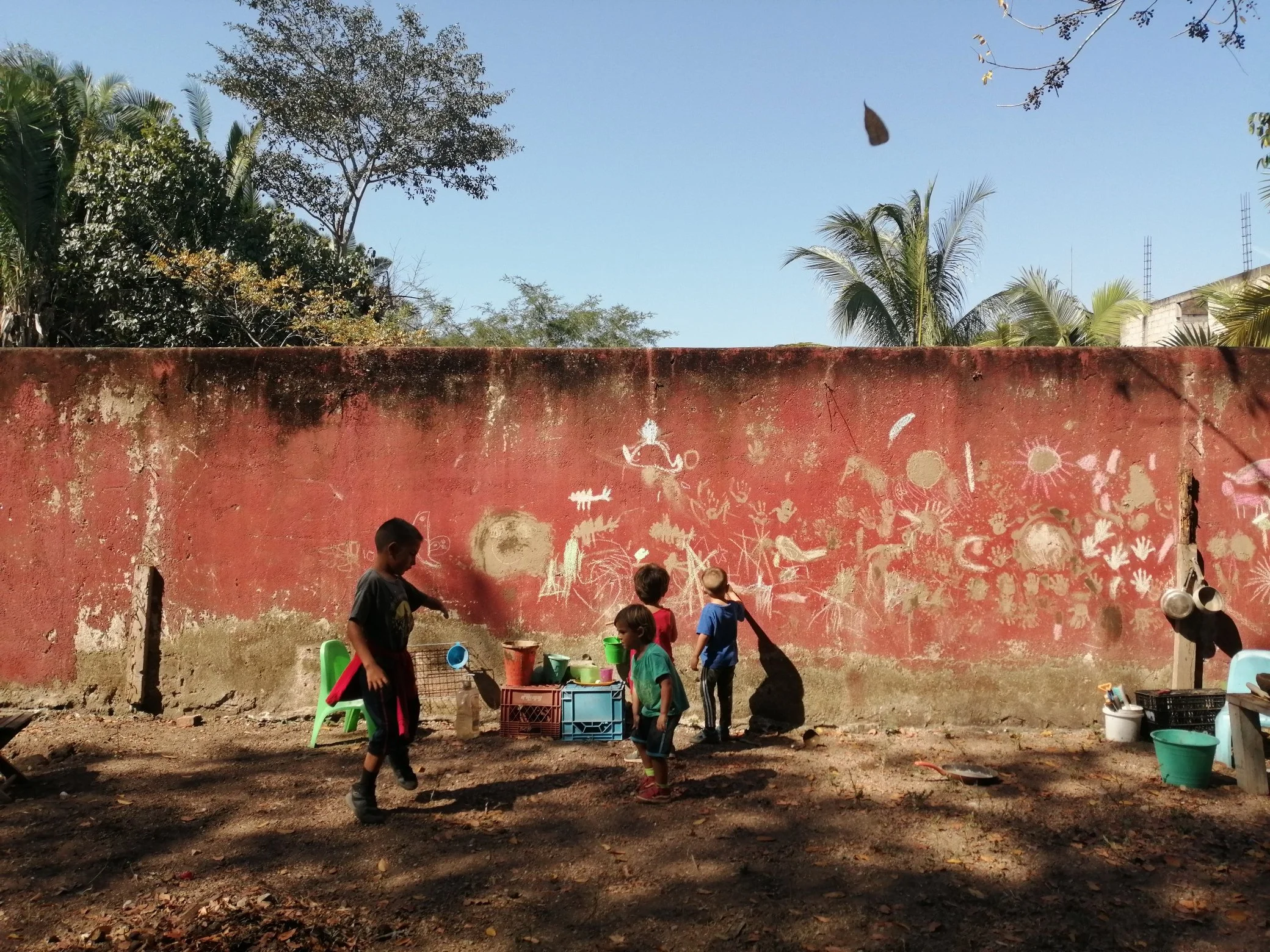
Nature immersion learning is an educational approach that uses natural environments as the primary learning space to develop cognitive, social-emotional, and physical skills through hands-on, experiential activities. It goes beyond traditional classroom learning by focusing on deep engagement with the surroundings, fostering skills like problem-solving, creativity, resilience, and a strong connection to nature. This method can be applied to all ages and involves activities ranging from basic survival skills and bushcraft to complex topics like botany, ecology, and traditional crafts






● Contact
Join Our Team
Curious about joining our faculty or staff? Reach out and we’ll be in touch about current or future opportunities.